

She checks her phone for the 10th time in an hour. He said he'd text after his meeting. It's been three hours. Her mind spirals: Is he upset? Did I say something wrong? Is he losing interest? Meanwhile, he's just busy at work, totally unaware she's spiraling.
Or maybe you're the opposite—your partner wants to talk about feelings, and you'd rather do literally anything else. Deep conversations make you uncomfortable. You love them, you're just... not great at expressing it.
Sound familiar? You're not broken. You're not dramatic. You just have a specific attachment style—and it's running the show in your relationship. Understanding this blueprint is key to a healthier, happier bond.
What attachment styles are and why they matter
Attachment styles are basically the blueprints we develop in childhood for how we connect with others as adults. Think of them as your relationship operating system, formed based on how your caregivers responded to your needs when you were little. These patterns, often unconscious, dictate how you behave in intimate relationships, how you handle conflict, and how you express your needs. Understanding them is like getting a user manual for your heart and your partner's. It helps you decode those confusing moments and build a stronger, more empathetic bond.
Here's the thing: you're not alone in these patterns. Research shows that approximately 52% of people have secure attachment, while the other 48% fall into one of the three insecure patterns. This means nearly half of us are navigating relationships with some underlying anxieties or avoidances. Recognizing your style is the first step towards transforming your relationship dynamics and fostering deeper understanding.

Ready to decode your relationship blueprint and build a stronger bond?
Download
BaeDrop


The 4 attachment styles explained with Indian relationship examples
Let's break down the main attachment styles. As you read, see if you spot yourself or your partner in any of these descriptions. Remember, these are general patterns, and everyone is unique.
Secure attachment: the balanced bond
If you have a secure attachment style, you're generally comfortable with intimacy and independence. You trust your partner, communicate your needs openly, and don't panic when they need space. You're good at giving and receiving affection, and you handle conflict constructively. You feel safe and valued in your relationship, knowing your partner is there for you.
Indian couple example: A husband and wife, both working professionals, openly discuss their career goals and household responsibilities. When one has a stressful day, the other offers support without judgment, knowing their partner will reciprocate. They respect each other's individual friendships and family commitments, feeling confident in their shared connection and mutual respect.
Anxious-preoccupied attachment: the clingy connection
People with an anxious attachment style often crave high levels of intimacy, approval, and responsiveness from their partners. They might worry constantly about their partner's love, fear abandonment, and become overly dependent. They can be "needy" or "clingy," often misinterpreting their partner's actions and needing constant reassurance to feel secure.
Indian couple example: A young woman in a love marriage constantly texts her husband throughout the day, expecting immediate replies. If he's busy and doesn't respond for a few hours, she might feel ignored, unloved, or even suspect he's hiding something, leading to arguments when he gets home. She might also worry excessively about her in-laws' approval, feeling her partner's love is conditional on it, which creates additional stress.
Dismissive-avoidant attachment: the distant dynamic
If you're dismissive-avoidant, you tend to value independence and self-sufficiency above all else. You might feel uncomfortable with too much emotional closeness, preferring to keep a certain distance. You often suppress your emotions and might struggle to express needs or feelings, sometimes appearing cold or uninterested. When your partner tries to get closer, you might pull away, needing space to recharge.
Indian couple example: A man, whose parents were emotionally distant, finds it hard to engage in deep conversations with his wife. When she tries to discuss their feelings or relationship issues, he changes the topic, gets defensive, or immerses himself in work or hobbies. He believes showing vulnerability is a weakness and prefers to handle problems on his own, leaving his wife feeling unheard and alone in her emotional needs.
Fearful-avoidant (disorganized) attachment: the push-pull pattern
This style is a mix of anxious and avoidant traits. People with disorganized attachment often desire intimacy but are also deeply afraid of it. They might have experienced inconsistent or frightening caregiving in childhood, leading to a push-pull dynamic in relationships. They want closeness but then push it away, struggling with trust and emotional regulation, creating confusion for both partners.
How your childhood shapes your adult relationships (cultural context)
Here's the real talk: your attachment style isn't some random personality quirk. It's deeply rooted in your early experiences, especially with your primary caregivers. For Indian couples, this gets even more complex because our cultural upbringing adds unique layers to the mix, influencing how these styles manifest.
Authoritative parenting and emotional suppression
In many Indian households, authoritative parenting is common. While it can instill discipline and respect, it sometimes comes at the cost of emotional expression. Children might be taught to suppress their feelings, especially negative ones, to avoid upsetting elders or maintaining family harmony. This can lead to avoidant tendencies in adulthood, where expressing needs or vulnerability feels unsafe or unnecessary, making deep emotional connection challenging.
Joint family dynamics and blurred boundaries
Growing up in a joint family offers immense support but can also mean less one-on-one attention from parents and blurred personal boundaries. A child might learn to seek approval from multiple family members, or conversely, develop a strong need for independence to carve out their own space. This can contribute to anxious attachment (constantly seeking external validation) or dismissive-avoidant traits (struggling with intimacy due to a perceived lack of personal space or emotional privacy in childhood).
Traditional gender roles and emotional unavailability
Traditional gender roles can also play a significant role. Men might be conditioned to be strong, stoic providers, suppressing emotions deemed "feminine." This can lead to emotional unavailability and avoidant attachment in relationships, as they struggle to connect on a deeper emotional level. Women, on the other hand, might be socialized to be nurturing and self-sacrificing, potentially fostering anxious attachment as they prioritize others' needs over their own and seek validation through caregiving, sometimes at the expense of their own well-being.
Generational trauma and its echoes
Sometimes, attachment patterns are influenced by generational trauma—unresolved emotional wounds passed down through families. Experiences like partition, poverty, or societal discrimination can create a deep-seated sense of insecurity or a need for hyper-vigilance, impacting how individuals form attachments and trust others in their adult relationships. These historical echoes can manifest as an underlying anxiety or a tendency to withdraw, even without a clear reason in the present.
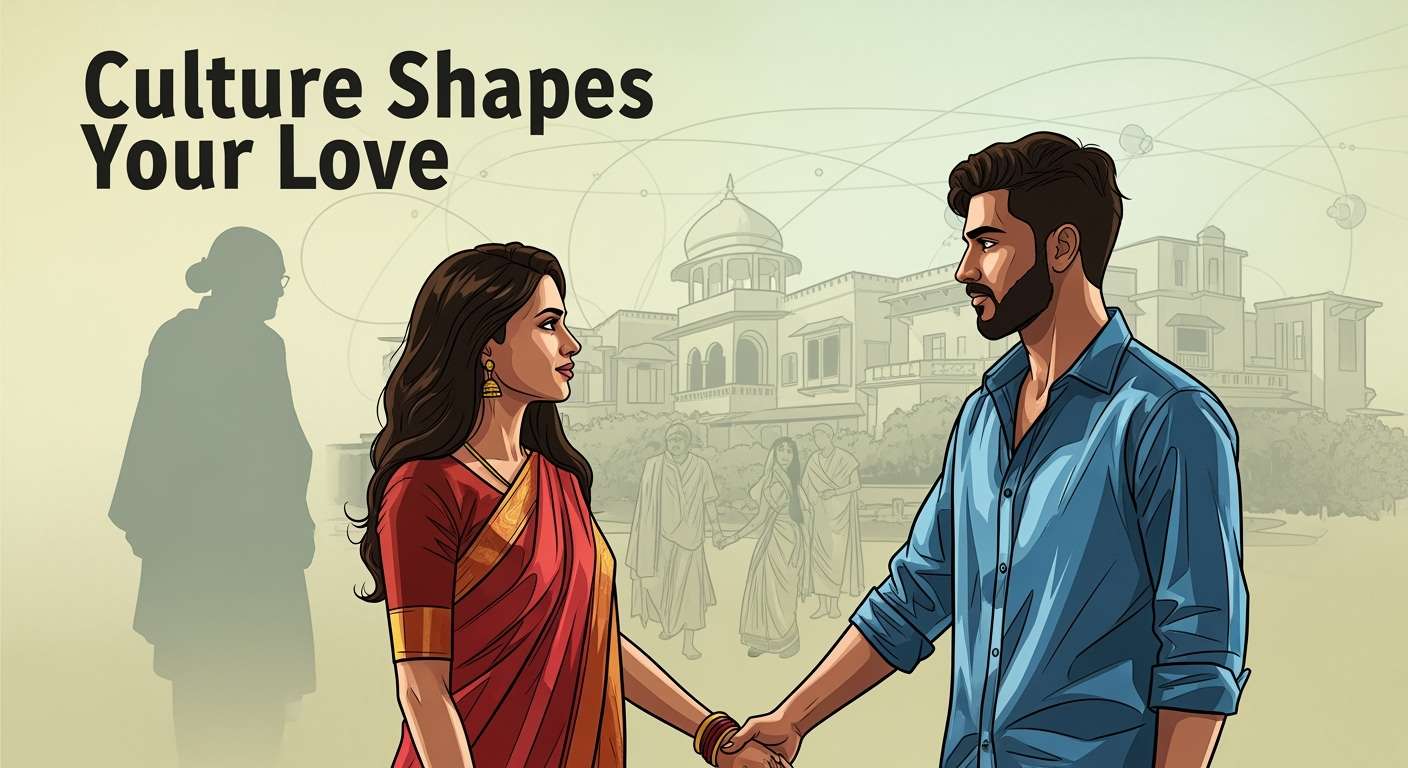
Attachment styles in arranged vs love marriages
The landscape of Indian relationships is diverse, with both arranged and love marriages being prevalent. Your attachment style can play out differently depending on how your relationship began, presenting unique challenges and opportunities for growth.
Arranged marriages: building trust from a different starting point
In arranged marriages, couples often start with less emotional intimacy and a greater emphasis on family compatibility and practical considerations. This can be a unique environment for attachment styles to emerge. Anxious individuals might struggle with the initial lack of deep emotional connection, constantly seeking reassurance and validation. Avoidant individuals might find comfort in the structured nature, but struggle when emotional intimacy is expected to grow. Interestingly, 74% of young Indians aged 18-35 prefer an arranged marriage, and the success rate is high, with only about 1 in 100 Indian marriages ending in divorce. This suggests that while the starting point is different, many couples successfully navigate these dynamics, often by consciously building trust and understanding over time, fostering a secure bond.
Love marriages: navigating expectations and emotional intensity
Love marriages often begin with intense emotional connection and high expectations for intimacy. This can be a fertile ground for attachment styles to clash. Anxious partners might become overwhelmed by the intensity, fearing loss and abandonment, while avoidant partners might feel suffocated and pull away, craving more personal space. The challenge here is to manage these expectations and learn to communicate effectively when attachment needs aren't being met. If you're wondering if your relationship struggles are normal or signs of deeper issues, our guide on healthy vs. toxic relationships can offer clarity and help you identify problematic patterns.
Can you change your attachment style?
The good news is, yes, you absolutely can! While your attachment style is formed in childhood, it's not a life sentence. It's a pattern, and patterns can be rewired. This process is called earning secure attachment, and it involves self-awareness, understanding your triggers, and consciously choosing different responses. It's about building new, healthier neural pathways in your brain.
The power of self-awareness
The first step is simply recognizing your own attachment patterns. How do you react when your partner is distant? What are your biggest fears in a relationship? Understanding these responses is crucial. This is where tools like BaeDrop's Magic Mirrors come in handy. They use AI-powered analysis and thoughtful questions to help you discover your attachment style and intimacy personality type, making complex psychology accessible and shareable with your partner. It's about getting to know the "why" behind your reactions, not just the "what," and gaining clarity on your emotional landscape.
Communicating your needs (and hearing theirs)
Once you understand your style, you can start communicating your needs more effectively. If you're anxious, you might learn to ask for reassurance directly instead of testing your partner or making assumptions. If you're avoidant, you might practice expressing your feelings in small, manageable steps, gradually increasing your emotional vulnerability. And just as importantly, you learn to recognize and respond to your partner's attachment needs, even if they're different from yours. Remember, 61% of people say their partner is their best friend, highlighting that strong relationships begin with deep friendship and mutual understanding, which thrives on open communication.
Seeking support and practicing new patterns
Changing deeply ingrained patterns takes time and effort. Therapy, especially couples therapy, can provide a safe space to explore these dynamics and develop healthier coping mechanisms. You can also consciously practice secure behaviors: responding to your partner's bids for connection, giving them space when needed, and communicating openly and honestly. Every small step towards a more secure response helps rewire your attachment blueprint, leading to lasting change and a more fulfilling partnership.
Tools for self-discovery and growth
Understanding your attachment style is a journey, not a destination. Here are some practical ways to continue your growth and strengthen your relationship, moving towards a more secure attachment:
- Journaling: Write down your reactions to relationship situations. What triggered you? What did you feel? This helps you identify patterns, understand your emotional landscape, and process your experiences more deeply.
- Observation: Pay attention to how you and your partner interact. When do you feel closest? When do you feel distant? What behaviors lead to these feelings? Noticing these patterns is the first step to changing them.
- Open conversations: Share what you're learning about your attachment style with your partner. Encourage them to explore theirs too. This creates a shared language for understanding each other's needs and fosters empathy.
- Mindfulness and self-compassion: Be kind to yourself. Changing old patterns is hard and takes time. Acknowledge your progress, no matter how small, and don't beat yourself up over setbacks. Practice being present in your interactions.
- Professional guidance: A therapist specializing in attachment theory can provide invaluable support and strategies tailored to your specific situation, helping you navigate complex emotions and develop healthier relational skills.
For couples navigating significant challenges, especially those involving trust, understanding attachment can be crucial. Our guide on rebuilding trust after infidelity offers specific steps that often involve addressing underlying attachment insecurities and fostering a more secure foundation.
Conclusion
Understanding your attachment style isn't about labeling yourself or your partner; it's about gaining profound self-awareness and empathy. It's about recognizing why you love the way you do and how you can consciously choose to build a more secure, fulfilling relationship. This knowledge empowers you to break old cycles, communicate more effectively, and truly connect with your partner on a deeper level, transforming your relationship for the better.
Want to understand your attachment style and what it means for your relationship? Try BaeDrop's Magic Mirrors for AI-powered insights that actually make sense—and share them with your partner.
Ready to transform your relationship with deeper understanding and connection?
Download
BaeDrop