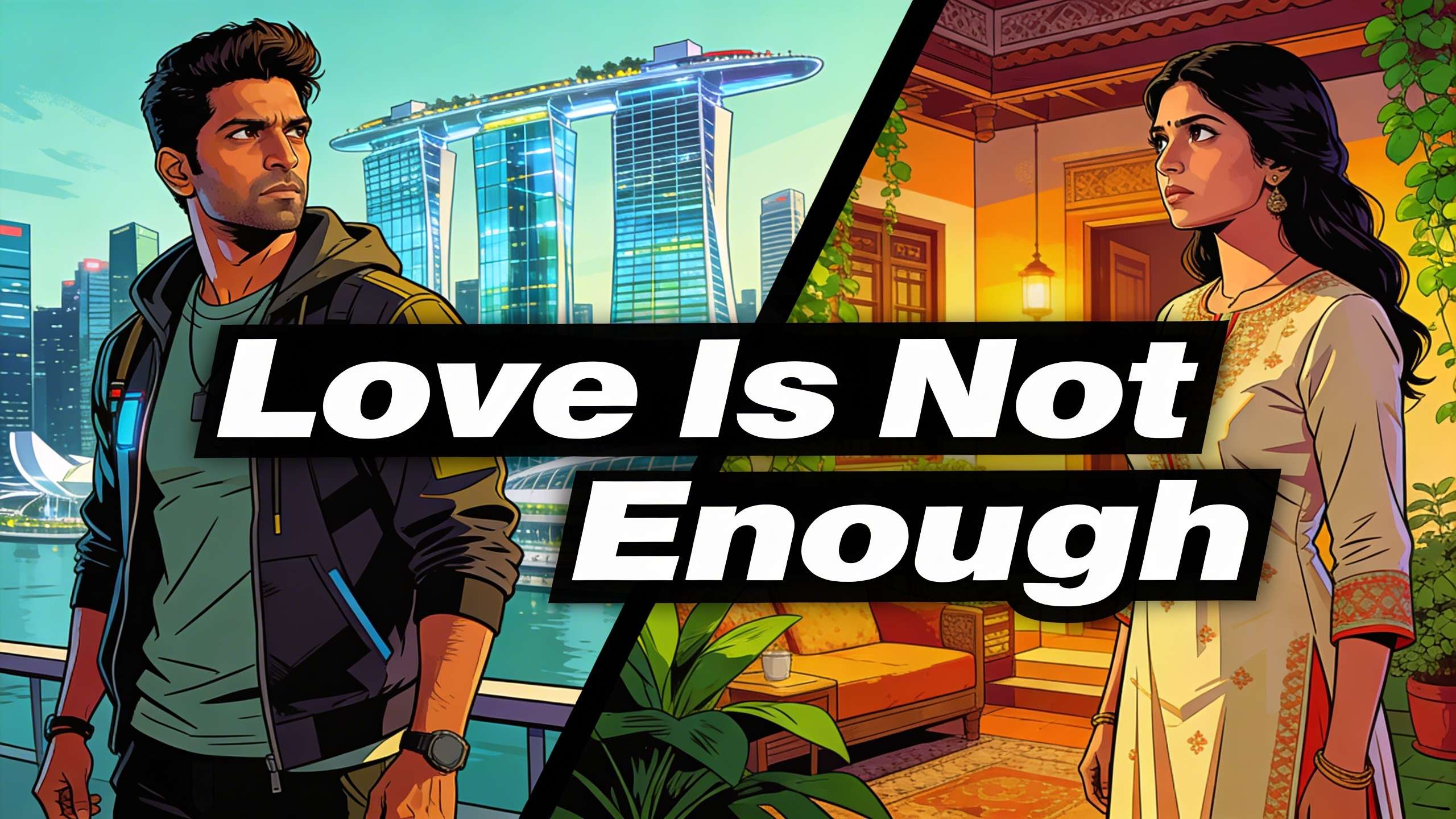

The quiet whisper: are you making excuses?
They forgot your birthday. Again. Or maybe they canceled plans last minute. Again. Or made that comment that stung a little too much. Again.
And you? You found yourself making excuses. Again.
"Theyre just stressed with work. They didnt mean it that way. You might think youre being too sensitive. All relationships are hard, right?"
If this sounds familiar, youre not alone. Many of us have been there, caught in a loop of justifying behavior that deep down, we know isnt right. This isnt about blaming anyone; its about understanding a pattern that keeps us from the love we truly deserve.

The difference between compromise and settling
Every healthy relationship needs compromise. Thats just a fact. Maybe you love spicy food and your partner prefers mild, so you find restaurants that offer both. Maybe youre a night owl and theyre an early bird, so you adjust your schedules a bit to spend quality time together. Compromise is about adjusting preferences, finding a middle ground where both partners feel heard and respected.
But settling? Thats a whole different ball game. Settling is when you sacrifice your core values, your fundamental needs, or your self-respect just to keep someone around. Its accepting disrespect because youre afraid of being alone. Its tolerating behavior youd never accept from anyone else because "at least theyre with me." Its shrinking yourself, your dreams, your voice, because making waves might make them leave.
Compromise is about finding the middle ground where both grow. Settling is about losing yourself completely. The key is knowing where your boundaries lie and what truly constitutes what you deserve in relationships.
Your relationship non-negotiables: what should they be?
Before you can demand what you deserve, you need to know what that actually is. Your non-negotiables are the absolute must-haves in a relationship – the things you cannot, and should not, compromise on. These arent preferences; theyre foundational pillars.
- Respect: This is non-negotiable. Does your partner respect your opinions, your boundaries, your time, and your family? Do they speak to you kindly, even during arguments? Respect is the bedrock of any healthy connection.
- Communication: Can you talk openly and honestly about anything? Do they listen to understand, not just to respond? Effective communication is crucial for navigating lifes ups and downs. Studies show that a lack of emotional attachment often leads to relationship breakdowns, and open communication is key to building that bond.
- Shared values & goals: While you dont need to agree on everything, core values (like honesty, family, ambition) and major life goals (career, children, lifestyle) should align. Research on compatibility highlights that similarities in lifestyle, morals, and values are crucial for long-term satisfaction.
- Emotional safety: Do you feel safe being vulnerable with them? Can you express your true feelings without fear of judgment or ridicule? This includes feeling secure, not constantly anxious about their loyalty or commitment.
- Support & encouragement: Does your partner cheer you on? Do they support your dreams and aspirations, even if theyre different from theirs? A partner should be your biggest fan, not your biggest critic.
For young Indian couples, these non-negotiables might also include how they treat your family, their views on gender roles, or their approach to financial independence. Its about finding someone whose core aligns with yours, not just someone who ticks a few boxes.
Want to discover what makes your relationship unique?
Download
BaeDrop


When cultural expectations make you question your worth
In India, relationships often come with a unique set of pressures. The constant chatter about "settling down," the societal timelines, and the fear of disappointing parents can make you question if your standards are too high. "Just adjust, beta," is a phrase many of us have heard, implying that our needs are secondary to maintaining harmony or fulfilling expectations.
The pressure to get married by a certain age, especially for women, can lead to accepting a partner who doesnt truly meet your needs, simply to avoid being "left behind" or to please family. The fear of judgment from relatives or the community for being single can be incredibly powerful, pushing you into relationships that drain you rather than uplift you.
Its important to remember that your happiness and well-being are paramount. While respecting family is crucial, it shouldnt come at the cost of your self-worth. You deserve a partner who respects you, not just someone who fulfills a societal role. Your worth isnt tied to your relationship status or someone elses timeline.

Red flags youre accepting less than you deserve
Sometimes, the signs are right in front of us, but were too deep in the pattern of making excuses to see them clearly. Here are some glaring red flags that you might be settling for less than what you deserve in relationships:
- Youre constantly making excuses for their behavior: "Theyre just tired," "They had a bad day," "Theyll change." If youre always rationalizing their actions to yourself or others, its a sign youre overlooking fundamental issues.
- Your friends and family are concerned: The people who love you often see things more clearly. If your closest confidantes are expressing worries or asking why you put up with certain things, listen to them. They have your best interests at heart.
- You feel anxious more than happy: A healthy relationship should bring you joy, peace, and security. If youre constantly walking on eggshells, feeling stressed, or experiencing more lows than highs, something is off.
- Youve stopped mentioning things that bother you: Youve learned that bringing up issues leads to arguments, dismissal, or them turning it back on you. So, you stay silent, letting resentment build. This is self-erasure, not compromise.
- Youre planning your life around their potential change: "Once they get that promotion, theyll be less stressed." "After we get married, theyll stop doing X." Basing your happiness on a future version of your partner is a recipe for disappointment. People change when they want to, not because you need them to.
The fear of being alone (and why its keeping you stuck)
Lets be real: the idea of being alone can be terrifying. Especially in a culture where coupledom is often seen as the ultimate goal, being single can feel like a failure. This fear, combined with the pressure to marry by a certain age, often pushes people to cling to relationships that are clearly not serving them. But heres the hard truth: being in the wrong relationship is far lonelier than being single.
When youre with someone who doesnt value you, youre constantly fighting for attention, validation, and respect. Thats exhausting. Being single, on the other hand, gives you the space to rediscover yourself, heal, and grow. Its an opportunity to build a stronger foundation of self-love, which is essential for attracting a partner who truly appreciates you. Research shows that 80% of people with low self-esteem feel lonely, highlighting how knowing your worth is key to demanding better treatment.
Remember, your worth isnt determined by your relationship status. Its determined by you. Focus on building a life you love, and the right person will naturally be drawn to that energy. Participants with secure attachment styles report significantly higher marriage satisfaction, proving that a strong sense of self-worth directly impacts relationship quality.

Building standards that actually serve you
Its time to stop settling and start building a relationship that truly makes you happy. This isnt about being picky; its about being intentional and respecting your own value. Heres how to start:
- Reflect on your past: Think about previous relationships or even family dynamics. What patterns did you notice? What did you tolerate that you shouldnt have? Understanding your history helps you break cycles. Tools like BaeDrops Magic Mirrors can help you understand your own patterns, needs, and relationship history to clarify what you truly deserve in a partner.
- Define your non-negotiables (and write them down!): Be specific. What does respect look like to you? What kind of communication do you need? What values are absolutely essential? Dont just think about them; put them on paper. This makes them real and harder to ignore.
- Understand your attachment style: Your attachment style often influences what you believe you deserve. Learning about it can help you understand why you might accept less or cling to unhealthy dynamics. Discover how your attachment style shapes what you think you deserve and why you might accept less.
- Practice saying no: Start small. Say no to things that dont align with your values or energy, even outside your relationship. This builds your "no" muscle and reinforces your boundaries.
- Build your support system: Surround yourself with friends and family who uplift you and reinforce your worth. They can be your reality check when you start to waver.
- Believe you deserve it: This is the hardest part for many. You are worthy of a loving, respectful, and fulfilling relationship. Period. Internalize that belief, and it will guide your choices.
Conclusion
Knowing what you deserve in relationships isnt about being selfish; its about self-respect. Its about understanding that your happiness is valid and your needs are important. It takes courage to stand firm on your standards, especially when cultural pressures or the fear of loneliness try to pull you back.
But imagine a relationship where you feel truly seen, valued, and respected. Thats not a fantasy; its what youre capable of creating when you refuse to settle for anything less.
Confused about what you actually need in a relationship? Discover your patterns with BaeDrops Magic Mirrors—because you cant demand what you deserve until you know what that is.
Ready to build a relationship that truly uplifts you?
Download
BaeDrop